
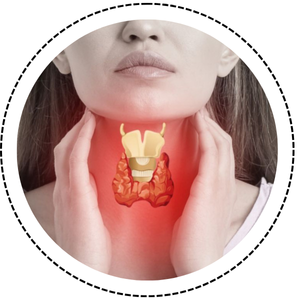
- At Urmil Hospital, we offer expert diagnosis and treatment for Endocrine Disorders, which occur due to hormonal imbalances affecting glands such as the thyroid, pancreas, and adrenal glands.
- Our specialists manage conditions like diabetes, thyroid disorders, obesity, and hormonal deficiencies with precision and care.
- Using advanced diagnostic tests and personalized treatment plans, we aim to restore hormonal balance and improve overall health.
- We also provide dietary and lifestyle counseling to support long-term management.
Know More About Our Sub-Specialization
- At Urmil Hospital, we provide specialized care for Typhoid, a bacterial infection caused by Salmonella typhi that spreads through contaminated food or water.
- Symptoms often include high fever, weakness, abdominal pain, headache, and loss of appetite.
- Our expert doctors ensure accurate diagnosis through blood tests and offer targeted antibiotic treatment and supportive care for a safe and speedy recovery.
- We also guide patients on maintaining hygiene and proper nutrition to prevent reinfection.

- At Urmil Hospital, we provide comprehensive care for women suffering from PCOS (Polycystic Ovary Syndrome) — a common hormonal disorder that affects ovulation, metabolism, and reproductive health.
- Symptoms may include irregular periods, weight gain, acne, and excessive hair growth.
- Our expert gynecologists offer accurate diagnosis, hormone evaluations, and personalized treatment plans to manage symptoms effectively.
- We also focus on diet, exercise, and lifestyle modifications to restore hormonal balance naturally.
Contact Form
Frequently Asked Questions (FAQs)
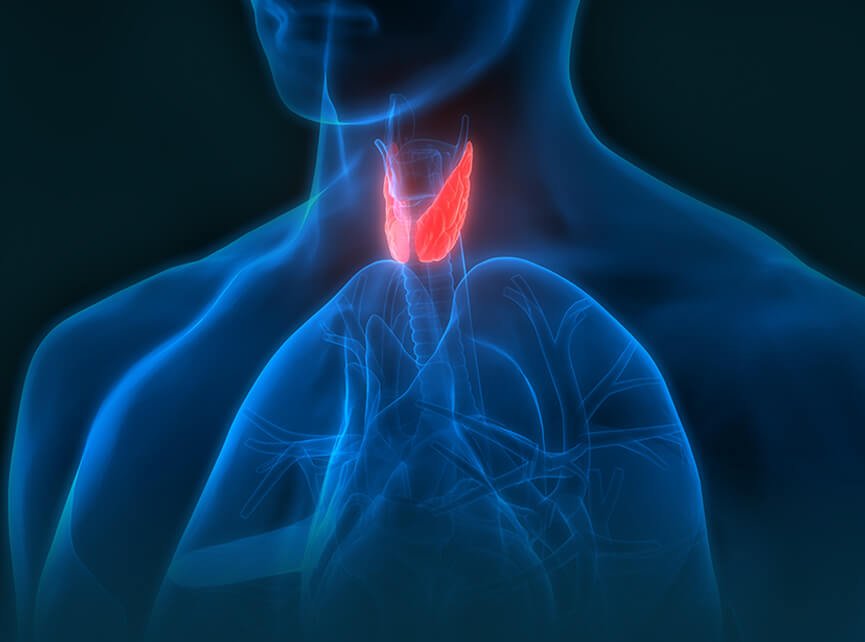
Endocrine disorders occur when glands such as the thyroid, pancreas, or adrenal glands produce too much or too little hormones, affecting metabolism, energy levels, growth, and overall health.
Common symptoms include unexplained weight changes, fatigue, hair fall, mood changes, irregular menstrual cycles, excessive thirst, or abnormal blood sugar levels.
Diagnosis involves clinical evaluation along with blood tests to measure hormone levels and, if needed, imaging or additional investigations.
Yes. Most endocrine disorders can be effectively managed with medication, lifestyle modifications, and regular medical follow-ups.
Some conditions may need ongoing monitoring and treatment, while others are temporary. Your doctor will guide you based on your specific diagnosis and response to treatment.