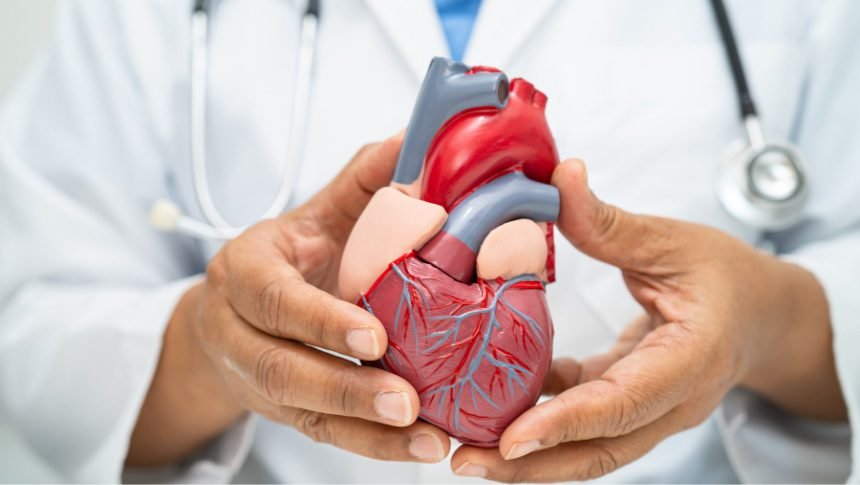
Cardiovascular Diseases
Know More About Our Sub-Specialization
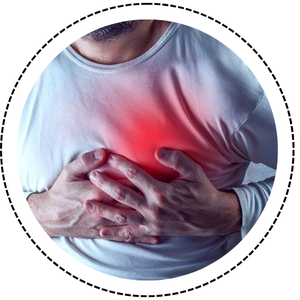
- Chest pain is a common symptom of heart or lung conditions.
- It may feel like pressure, tightness, heaviness, or burning in the chest.
- The discomfort can spread to the neck, jaw, shoulders, back, or arms.
- It may occur during physical activity, stress, or even at rest.
- Severe, persistent, or unexplained chest pain requires immediate medical attention.
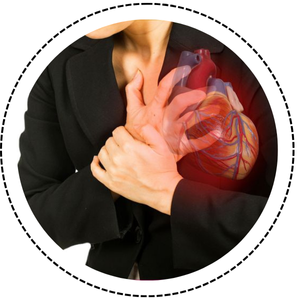
- Myocardial infarction, or heart attack, occurs when blood flow to the heart muscle is blocked.
- This blockage is usually caused by a blood clot in a coronary artery.
- It leads to damage or death of part of the heart muscle.
- Common symptoms include chest pain, shortness of breath, and sweating.
- Immediate medical treatment is needed to save heart tissue and life.
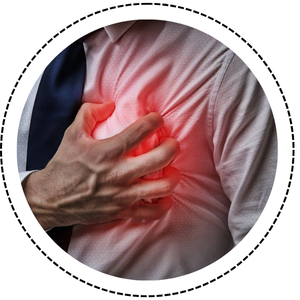
- Ischemic Heart Disease (IHD) occurs when the heart muscle gets less blood due to narrowed coronary arteries.
- It is mainly caused by atherosclerosis and high cholesterol levels.
Common symptoms include chest pain (angina), shortness of breath, and fatigue. - Risk factors include smoking, diabetes, obesity, and high blood pressure.
- Severe cases can lead to heart attacks or heart failure.
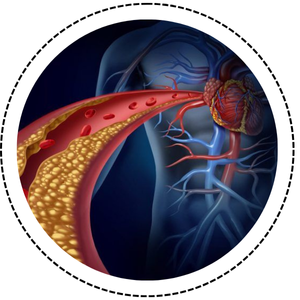
- Atherosclerosis is the buildup of fatty plaques in the arteries due to high cholesterol.
- It narrows blood vessels and reduces blood flow to vital organs.
- This can cause heart attacks, strokes, and other serious complications.
Contact Form
Frequently Asked Questions (FAQs)
Cardiovascular diseases include conditions affecting the heart and blood vessels, such as high blood pressure, coronary artery disease, heart failure, and rhythm disorders.
Chest pain, breathlessness, palpitations, dizziness, swelling in legs, or sudden weakness should be evaluated promptly by a doctor.
Many heart conditions can be prevented or controlled with healthy lifestyle choices, regular checkups, and early medical intervention.
Diagnosis may include blood tests, ECG, echocardiography, stress tests, and other investigations based on symptoms and risk factors.
Yes. With proper treatment, regular follow-ups, and lifestyle management, most patients can maintain a good quality of life.